January 31, 2026
Creating an outdoor environment that is both attractive and useful requires thoughtful planning and intentional design. Functional outdoor space design focuses on blending comfort, efficiency, and visual appeal so every part of the yard serves a clear purpose. Whether you want a peaceful retreat, an entertainment area, or a family friendly lawn, the right layout can transform how you experience your home. By combining smart structure with beautiful elements, homeowners can enjoy an outdoor space that supports daily living while enhancing long term property value.
What Defines a Functional Outdoor Space Design?
A functional outdoor space is carefully organized to support real activities rather than existing only for appearance. Every feature has a role, and movement throughout the yard feels natural and convenient.
Core Characteristics Include:
- Purpose driven layout
that reflects how the space will be used
- Clear pathways and zones
that guide movement without congestion
- Balanced mix of hardscape and greenery
for comfort and visual appeal
- Efficient maintenance needs
that fit the homeowner’s lifestyle
Professional designers often begin by evaluating sun exposure, drainage, privacy, and traffic flow before selecting materials or plants. This planning stage ensures the finished landscape performs well in everyday use.
Start With Lifestyle Based Planning
The most successful functional outdoor space design begins with understanding how the homeowner wants to live outside. Instead of copying trends, the layout should match real habits and priorities.
Common Outdoor Living Goals
- Relaxing seating areas for quiet mornings or evenings
- Dining spaces for family meals or gatherings
- Open lawn for pets, children, or recreation
- Garden beds for flowers, herbs, or vegetables
Dividing the yard into clear activity zones prevents overcrowding and allows each area to function comfortably without interfering with another.
Creating Flow Between Outdoor Zones
Movement is one of the most overlooked elements in landscape planning. A beautiful yard can still feel frustrating if pathways are awkward or spaces feel disconnected.
Ways to Improve Flow
- Install walkways that connect patios, doors, and gathering areas
- Use consistent materials or colors to visually link spaces
- Maintain open sightlines for safety and spaciousness
- Allow enough room for furniture, walking, and daily use
Smooth transitions make the outdoor environment feel larger, calmer, and easier to enjoy.
Blending Beauty With Practical Hardscape Features
Hardscape elements provide the structure that makes outdoor spaces usable throughout the year. When designed correctly, they also enhance visual appeal.
Essential Hardscape Components
- Patios
that provide stable seating and entertainment space
- Walkways
that guide safe movement across the yard
- Retaining walls
that manage slopes and prevent erosion
- Edging and borders
that keep planting areas neat and defined
Choosing durable, weather resistant materials helps reduce long term maintenance while preserving a polished appearance.
Smart Planting for Function and Comfort
Plants do more than decorate a landscape. They provide shade, privacy, cooling, and environmental benefits when selected intentionally.
Functional Planting Strategies
- Use shade trees
near seating areas to reduce heat exposure
- Add dense shrubs or hedges
for privacy and noise reduction
- Select low maintenance native plants
suited to the climate
- Layer heights to maintain visibility and safety
Thoughtful planting improves comfort while keeping the yard visually balanced and easy to maintain.
Outdoor Comfort Features That Extend Usability
A truly functional outdoor space design remains enjoyable beyond perfect weather conditions. Comfort features allow homeowners to use their yard more often throughout the year.
Popular Comfort Enhancements
- Pergolas or shade structures for sun protection
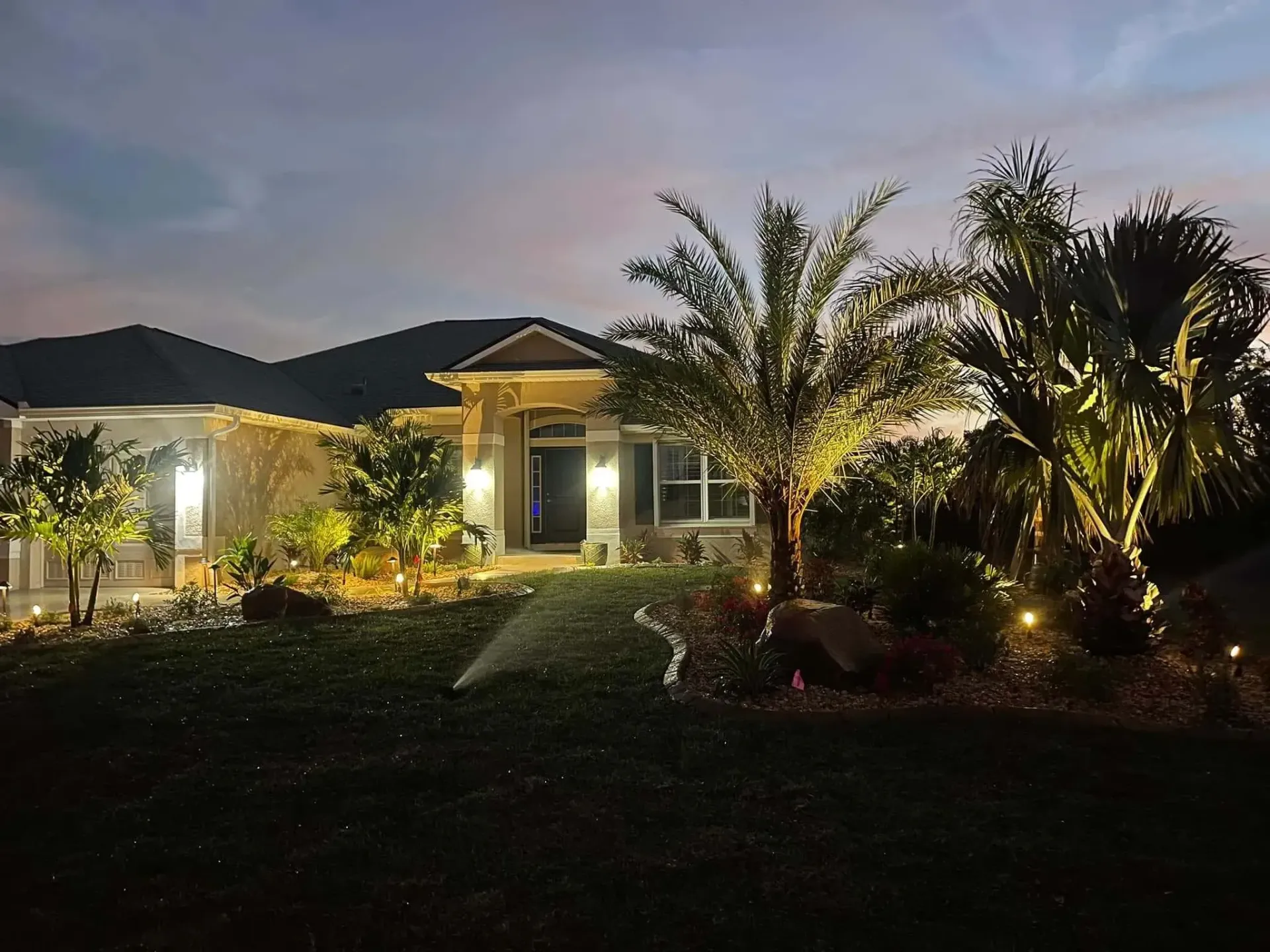
- Outdoor lighting for evening relaxation and safety
- Fire pits or fireplaces for warmth and gathering
- Weather resistant furniture designed for durability
These additions turn a simple backyard into a reliable extension of the home’s living space.
Maintenance Planning From the Beginning
One of the biggest mistakes in landscaping design is ignoring long term upkeep. A space that looks beautiful on installation day should remain manageable for years.
Ways to Reduce Maintenance
- Limit high maintenance lawn areas
- Choose slow growing or drought tolerant plants
- Install irrigation systems that deliver efficient watering
- Use mulch or ground cover to control weeds and retain moisture
Designing with maintenance in mind protects both time and financial investment.
Common Design Mistakes to Avoid
Even well intentioned projects can fall short when functionality is overlooked. Avoiding these issues leads to a more successful result.
- Overcrowding the yard with too many features
- Ignoring drainage or grading concerns
- Blocking natural walking paths
- Choosing plants unsuited to the local climate
- Prioritizing appearance over everyday usability
Careful planning and professional guidance help prevent costly corrections later.
Build an Outdoor Space That Truly Works
Functional outdoor space design combines thoughtful planning, durable structure, and comfortable beauty to create an environment that supports real life. By organizing clear activity zones, improving movement, selecting practical plants, and incorporating comfort features, homeowners can transform underused yards into valuable living spaces. The result is an outdoor setting that feels inviting, efficient, and enjoyable in every season.
Take the first step toward an outdoor space designed for the way you live. Connect with A Cut Above The Best Inc. to create a functional, beautiful environment that enhances your home and daily lifestyle for years to come.